Google sign-in
To enable Google sign-in, create OAuth clients for the platforms you support and configure the Google provider in Supabase.
Prerequisites
- A Google Cloud project
- The app setup completed, with your bundle identifier and Android package name set in
config.js
The values you need
| Client type | Used for | Goes in |
|---|---|---|
| Web | Requesting an ID token for Supabase | config.js → googleOauth.webClientId, and Supabase’s Google client IDs |
| iOS | Identifying your iOS app | googleOauth.iosClientId and its reversed value in iosUrlScheme; also add the client ID in Supabase |
| Android | Registering the package name and signing certificate | Google Cloud; no Android client ID field is needed in config.js |
The native SDK obtains an ID token, which useSignInWithGoogle passes to
supabase.auth.signInWithIdToken. The web client ID is needed even though the
boilerplate uses native sign-in.
Create your OAuth clients
Configure your project’s audience and consent details in Google Cloud, then create a web client and the native clients you need. Follow the SDK’s configuration guide .
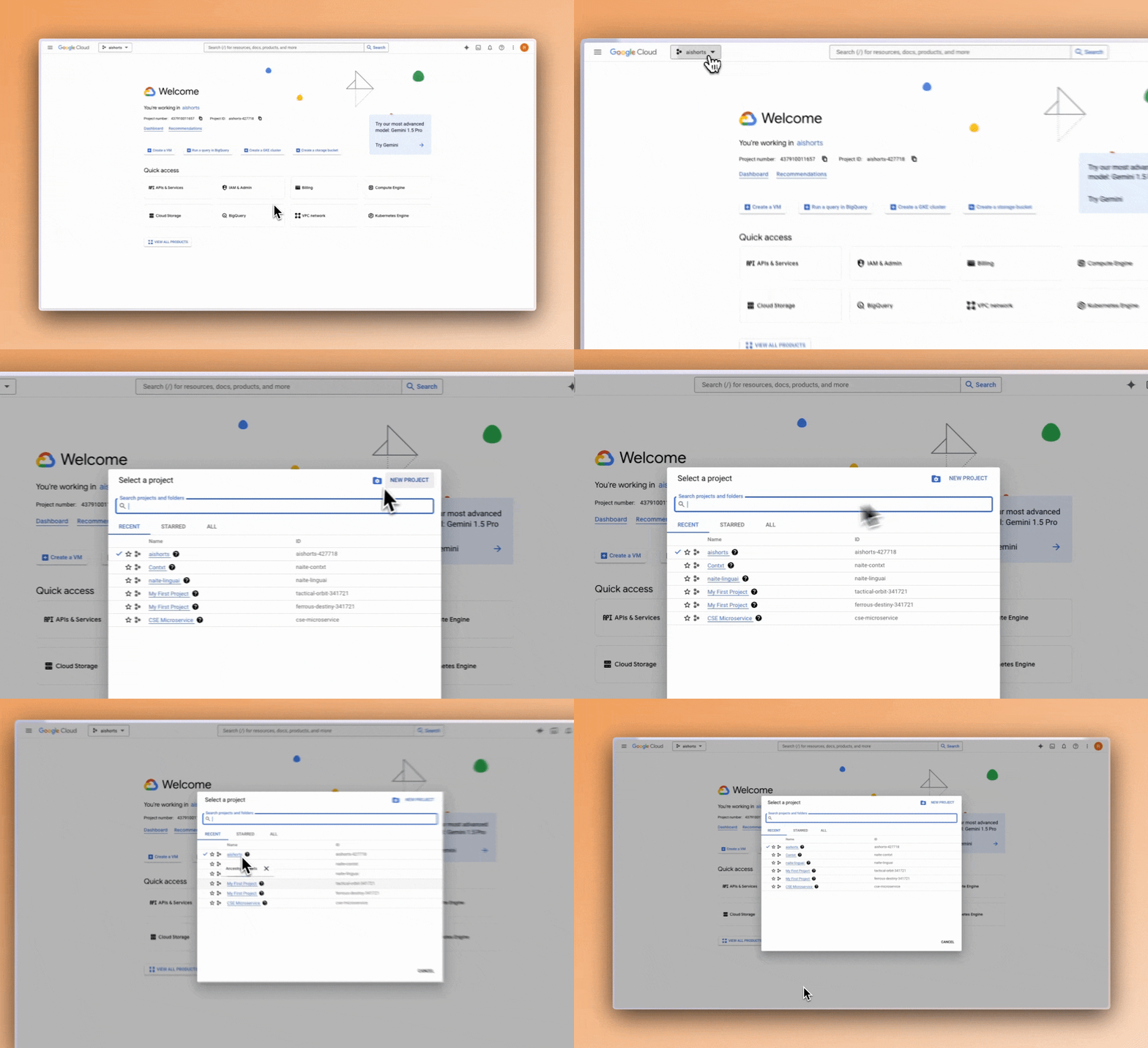
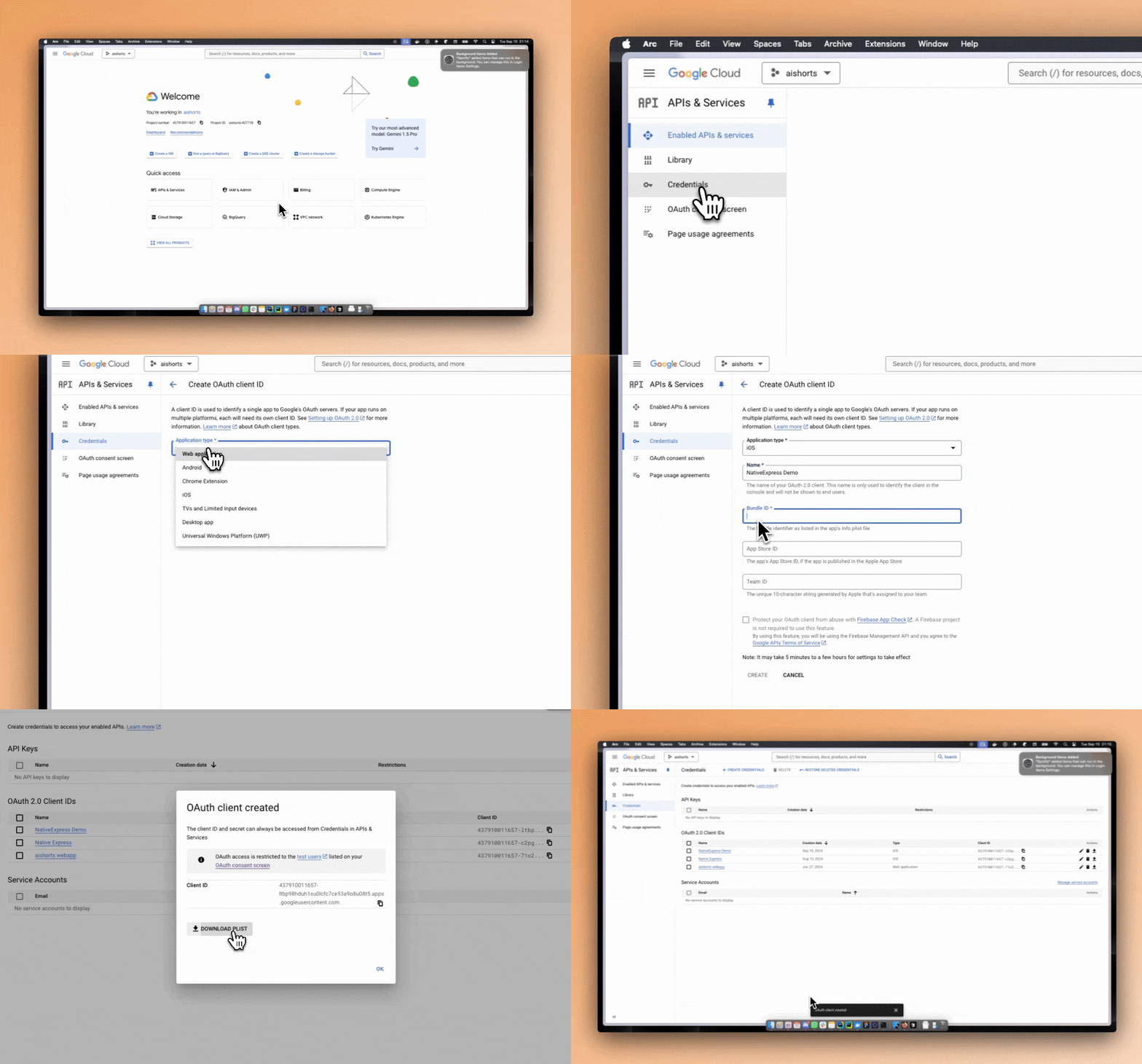
For Android, register the SHA-1 fingerprint of the certificate that signs the installed build. Local debug builds, EAS builds and Google Play App Signing can use different certificates. Add an Android OAuth client for each package and certificate combination you use.
For a local debug keystore:
keytool -list -v -keystore ./android/app/debug.keystore \
  -alias androiddebugkey -storepass android -keypass android
Use eas credentials for EAS-managed keys. For a Play Store build, use the app
signing certificate shown in Play Console.
Set the app’s client IDs
googleOauth: {
  iosClientId: '<ios-client-id>.apps.googleusercontent.com',
  iosUrlScheme: 'com.googleusercontent.apps.<ios-client-id>',
  webClientId: '<web-client-id>.apps.googleusercontent.com',
},
iosUrlScheme is the reversed iOS client ID. For example,
123-abc.apps.googleusercontent.com becomes com.googleusercontent.apps.123-abc.
The config plugin reads this value when building the native app.
Configure Supabase
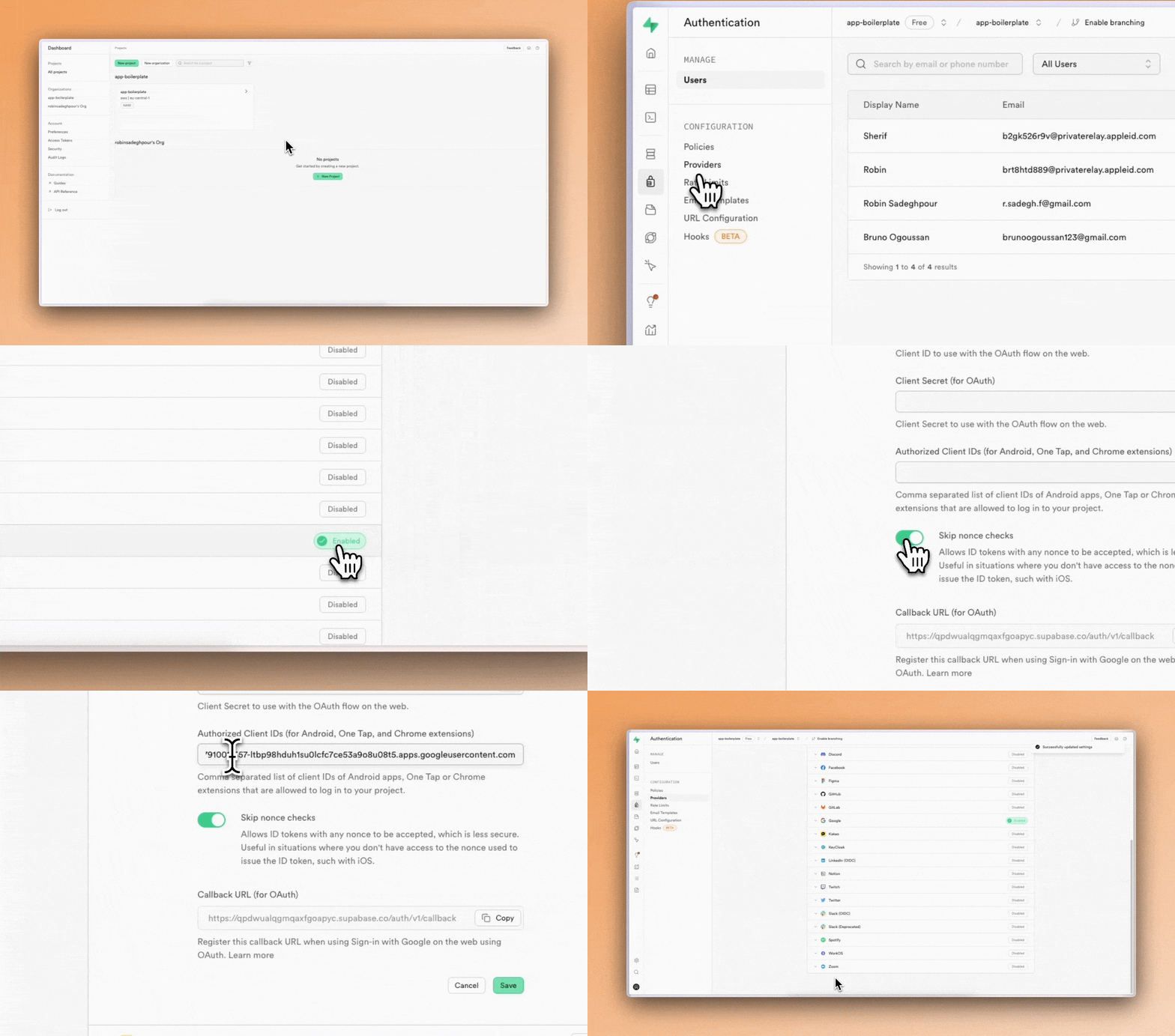
Enable the Google provider and register your client IDs, including the web
client ID used in config.js and your native client IDs. When entering several
IDs, use a comma-separated list with the web client ID first. See Supabase’s
Google sign-in guide .
Enable Skip nonce check for the shipped native flow, which does not pass a
custom nonce to signInWithIdToken. A Google OAuth client secret is for the
browser redirect flow; the native ID-token exchange does not use it.
Rebuild
Create a new development build after changing the native OAuth configuration. Reloading JavaScript alone does not update the iOS URL scheme.
Verify
Tap the Google button on each platform you support. The account picker should return to the app signed in, and the user should appear in Supabase Authentication → Users with a Google identity.
If Android sign-in fails before reaching Supabase, check the package name and signing fingerprint. If Supabase rejects the token, check its registered client IDs and nonce setting.
Keep play-services-auth on 21.x
The Google Sign-In library declares its own Android dependencies, so you do not need
to add play-services-auth to the generated android/app/build.gradle. It pins the
artifact to 21.4.0 through the googlePlayServicesAuthVersion Gradle property. Leave
that property unset, and do not raise it to 22 or newer: play-services-auth 22.0.0
removed the legacy Sign-In classes the library compiles against. See
Google’s release notes .
With 22 or newer, the Android build fails while compiling the google-signin module,
with errors such as cannot find symbol … GoogleSignInClient or
package com.google.android.gms.auth.api.signin does not exist. Another library can
pull the artifact up as well. Run ./gradlew :app:dependencies in android/ to find
which one.